element-2
element-1

B2B LinkedIn Marketing Strategy: 10 Ways to Generate Qualified Leads

linkedIn b2b lead generation
Key Takeaway
  • LinkedIn B2B marketing strategy: LinkedIn marketing strategy helps businesses reach their potential customers, build a community, share useful insights and make connections.
  • Profile optimisation: It is imperative to optimise your personal and company profile on LinkedIn.
  • LinkedIn tools: Get the most out of LinkedIn tools such as Leverage Advanced Search, Sales Navigator and Lead Generation Ads.
  • Track performance: Monitor engagement, response rates and conversions of your business.
  • Stay consistent: Be consistent while posting your content on LinkedIn to get quality leads.

LinkedIn has a professional network of about 900 million users, which makes it especially suitable for B2B (business-to-business) marketing strategy. It does not work like other social media platforms; instead, LinkedIn requires you to engage with your potential clients with a business intent (keep it strictly professional), monitor industry insights and make professional connections. This is known as ‘LinkedIn marketing strategy.’ It is an approach to use LinkedIn for content marketing, connecting with clients and attracting genuine business opportunities. 

It helps to connect with the right audience, share insights and build trust with potential clients. Now, you may think it is all about posting some content or sending a connection request. You are mistaken! It includes optimising your LinkedIn profile, creating engaging content and tracking performance. 

What Is a B2B LinkedIn Marketing Strategy?

linkedin marketing strategy

A LinkedIn B2B marketing strategy is a business plan that is used to connect with potential prospects to generate qualified leads. From targeting the right audience, optimising your personal and company profile to building valuable connections, LinkedIn marketing for B2B companies can help strengthen your online professional presence and turn your LinkedIn connections into profitable business opportunities. 

10 Ways to Generate Qualified Leads with a B2B LinkedIn Marketing Strategy

1. Optimise Your LinkedIn Profile and Company Page

Your LinkedIn profile is what anyone sees first; therefore, make an excellent impression by optimising your profile and company page. You can do this by stating your company name, what your business does, who is your target audience and your services. Add a professional photo to your profile, an engaging summary and use relevant keywords to attract the right client. 

2. Define Your Ideal Customer Profile (ICP)

Identifying your Ideal Customer Profile (ICP) is an integral step before beginning LinkedIn marketing strategy. ICP outlines the type of business that will benefit from your products or services. Keep important factors like company size, industry, location and budget to understand your customers. 

3. Share Valuable and Educational Content

You can connect with your audience by sharing helpful insights on LinkedIn. Share practical knowledge that will help your clients solve their problems.

4. Use LinkedIn Advanced Search and Sales Navigator

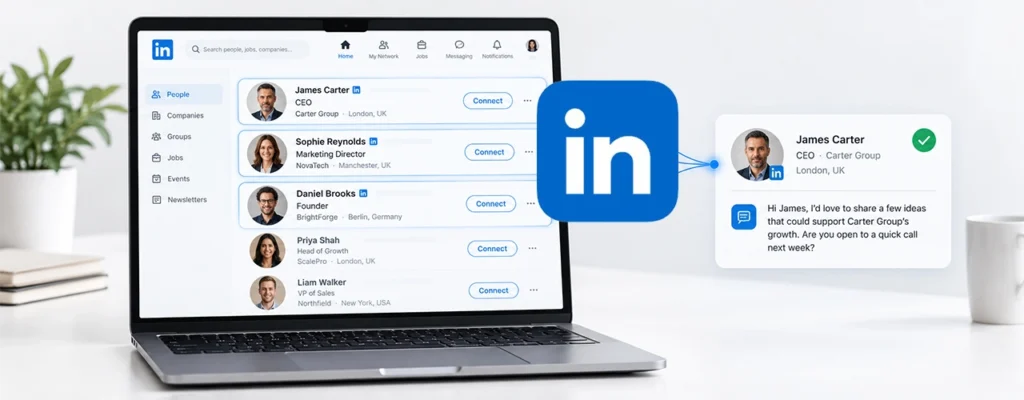
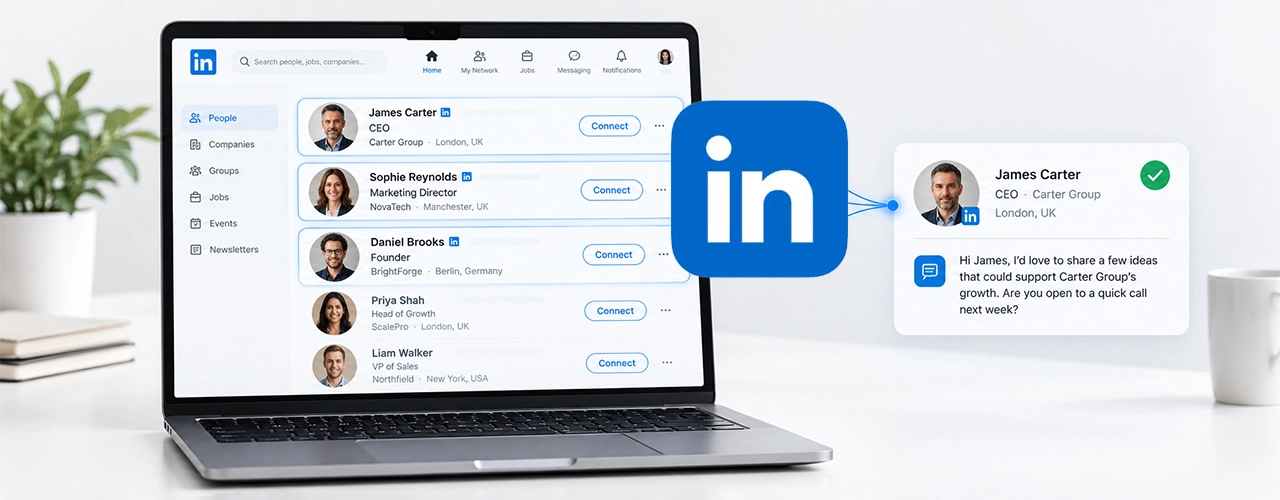
LinkedIn Advanced Search allows businesses to locate prospective clients using certain parameters such as jobs, geographic areas, corporate entities and network ties. Through this, one can select individuals aligning with their target customer definition. On the other hand, LinkedIn Sales Navigator allows businesses to find potential leads.

5. Build Relationships Through Personalised Outreach

Why send connection requests blindly? Instead, take a minute and put in some effort to get to know your prospect. Scroll through their profile to know about their professional journey and what they are looking for.

6. Use LinkedIn Lead Generation Ads

LinkedIn lead generation ads are an excellent source for collecting contacts of prospective clients from the platform itself. LinkedIn lead generation ads offer pre-populated form fields that capture details such as names, email addresses, titles and companies.

7. Share Customer Success Stories

Sharing customer success stories acts as an emotional tool that helps to reinforce trust between your business and your clients. Post real-life instances of how your business helps a client achieve new heights.

8. Offer Valuable Lead Magnets and Free Resources
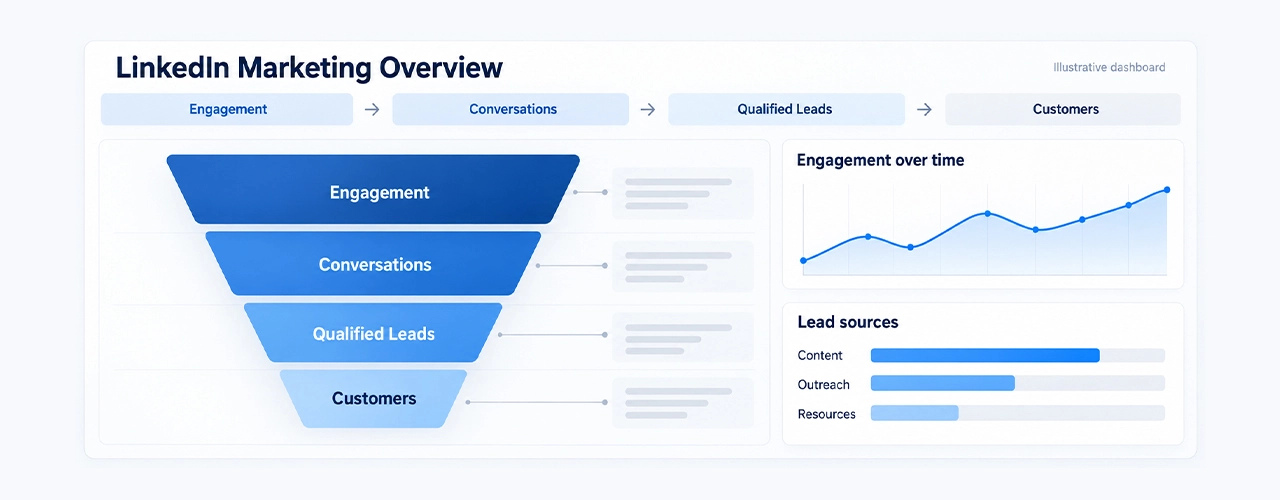
lead generation techniques

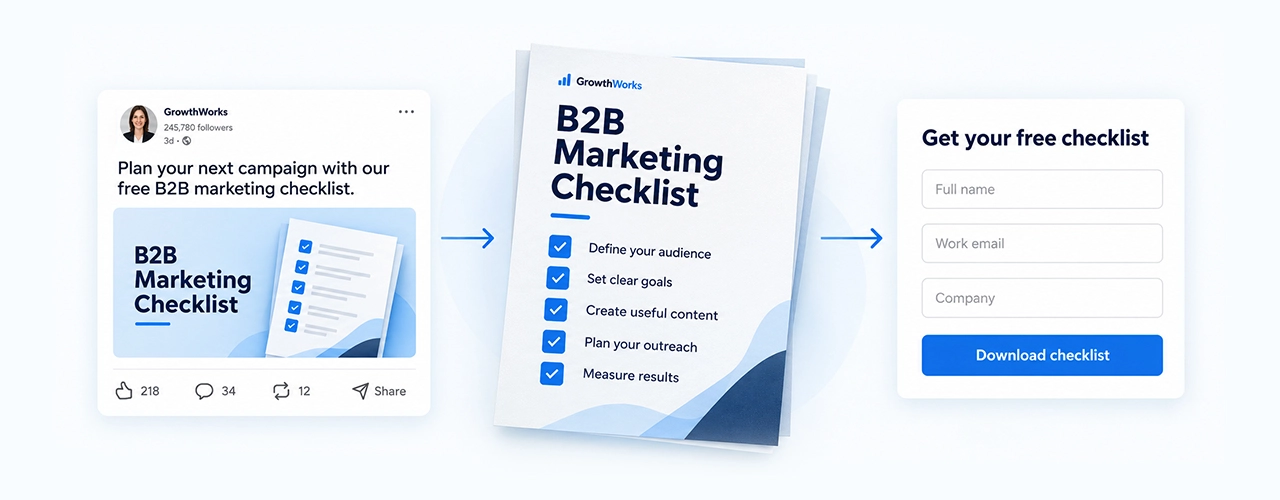
Lead magnets can be described as freebies that businesses give out for free to attract clients to give their contact information. These include things like eBooks, white papers, checklists, templates, webinars and even tutorials.

9. Use LinkedIn Groups and Professional Networking

LinkedIn Groups offer a wonderful opportunity for you to interact with people in a similar niche as yours. Look for such groups that cater to your target audience and engage in conversations with them. Answer their queries and let them benefit from your expertise.

10. Track Performance and Improve Your Strategy

You should monitor different key performance indicators such as number of profile views, engagement levels, acceptance rate of connection requests, response rate to messages and number of leads converted.

Ready to Get More B2B Leads on LinkedIn?

Connect with the right audience and turn connections into business opportunities.

Why Is LinkedIn Important for B2B Lead Generation?

It is easy to find business prospects on LinkedIn, thanks to its advanced targeting options. You can filter your clients based on their jobs, locations, experience and professional interests. You can also create unique and meaningful content to promote your business and build trust with your audience. For example, you can share client success stories, helpful tips, industry insights and professional opinions. With the correct audience, a clear strategy and personalised outreach, businesses can expand effortlessly. 

Common Mistakes to Avoid in B2B LinkedIn Marketing

LinkedIn is an excellent medium for B2B lead generation; however, with the wrong approach, your business can struggle to get prospects. Here are some common mistakes one should avoid in LinkedIn B2B lead generation: 

  • Avoid sending generic connection requests and make connections with people similar to your business. 
  • Maintain a consistent posting schedule on LinkedIn rather than putting content at odd hours. 
  • Monitor your campaign performance regularly. 
  • Do not promote your products or services in every other post. 
  • Keep your personal and business profile updated on LinkedIn. 
  • Respond to questions and comments to build trust with your connections.
  • Avoid messaging the same prospects for immediate sales. 

Final Thoughts

Your B2B LinkedIn strategy should not merely consist of gaining connections or posting content. Instead it should be more about reaching the right audience, sharing success stories for building trust and building genuine professional relationships with your clients. Rather than sending out impersonal marketing connections, you should strive to engage in purposeful interactions and communication. Monitor your performance frequently, analyze what works and make changes accordingly. If you are curious to know how you can build connections and grow your business on LinkedIn, contact TechHaz now!.

FAQ's

What is a B2B LinkedIn marketing strategy?

LinkedIn marketing strategy for B2B is a means to reach out to other businesses and connect with professionals via LinkedIn, sharing content and creating leads.

Businesses can generate qualified leads by reaching out to the right audience, creating informative content, utilizing LinkedIn Sales Navigator and reaching out to potential customers through personalized messages.

Yes, it is an efficient platform for B2B lead generation techniques, as it enables businesses to reach out to people in their industry who can be potential customers.

You can begin by posting on LinkedIn three to five times a week. The key is consistency and quality of the content rather than high frequency of posts.

LinkedIn lead generation success can be measured by quantifying leads generated, lead conversion rates, message response rates, engagement, website clicks and cost per lead.